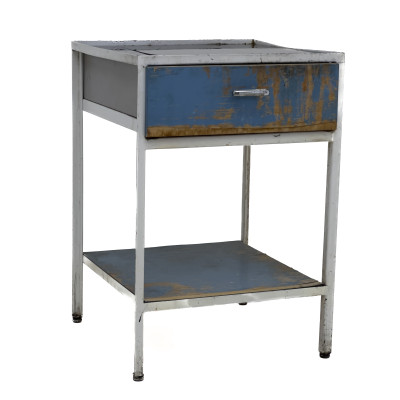
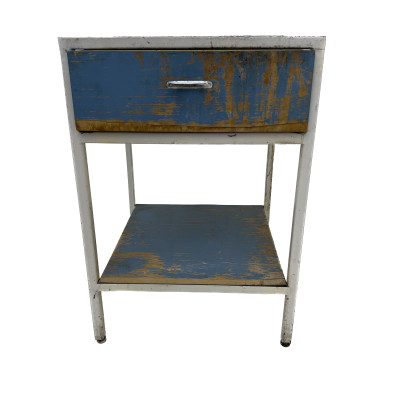
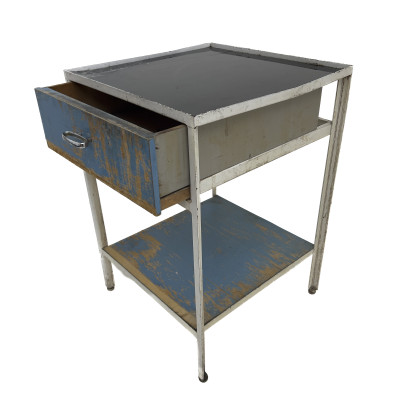
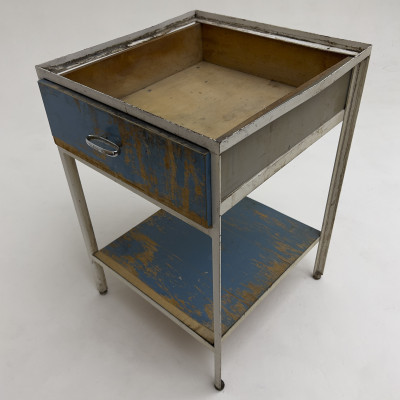
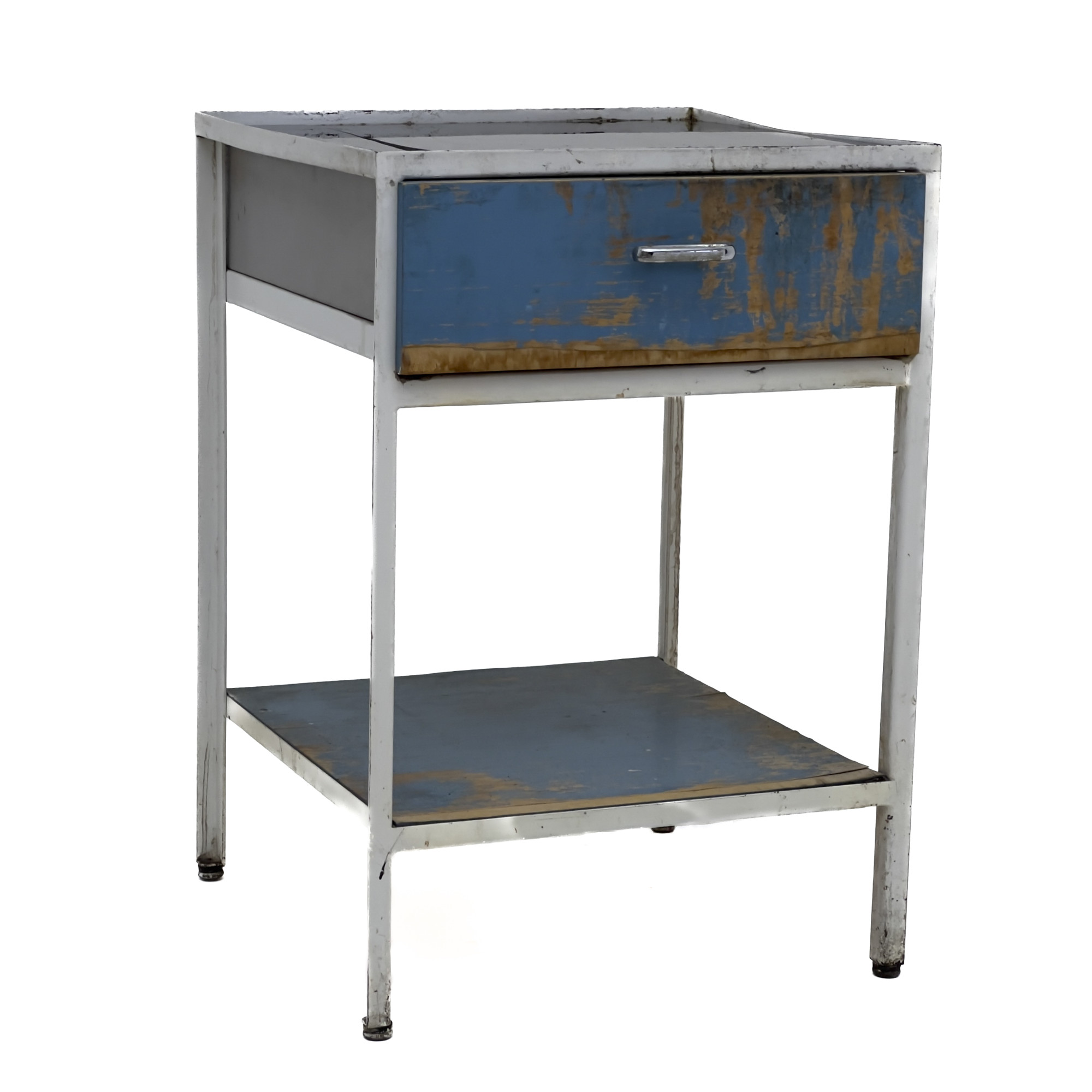
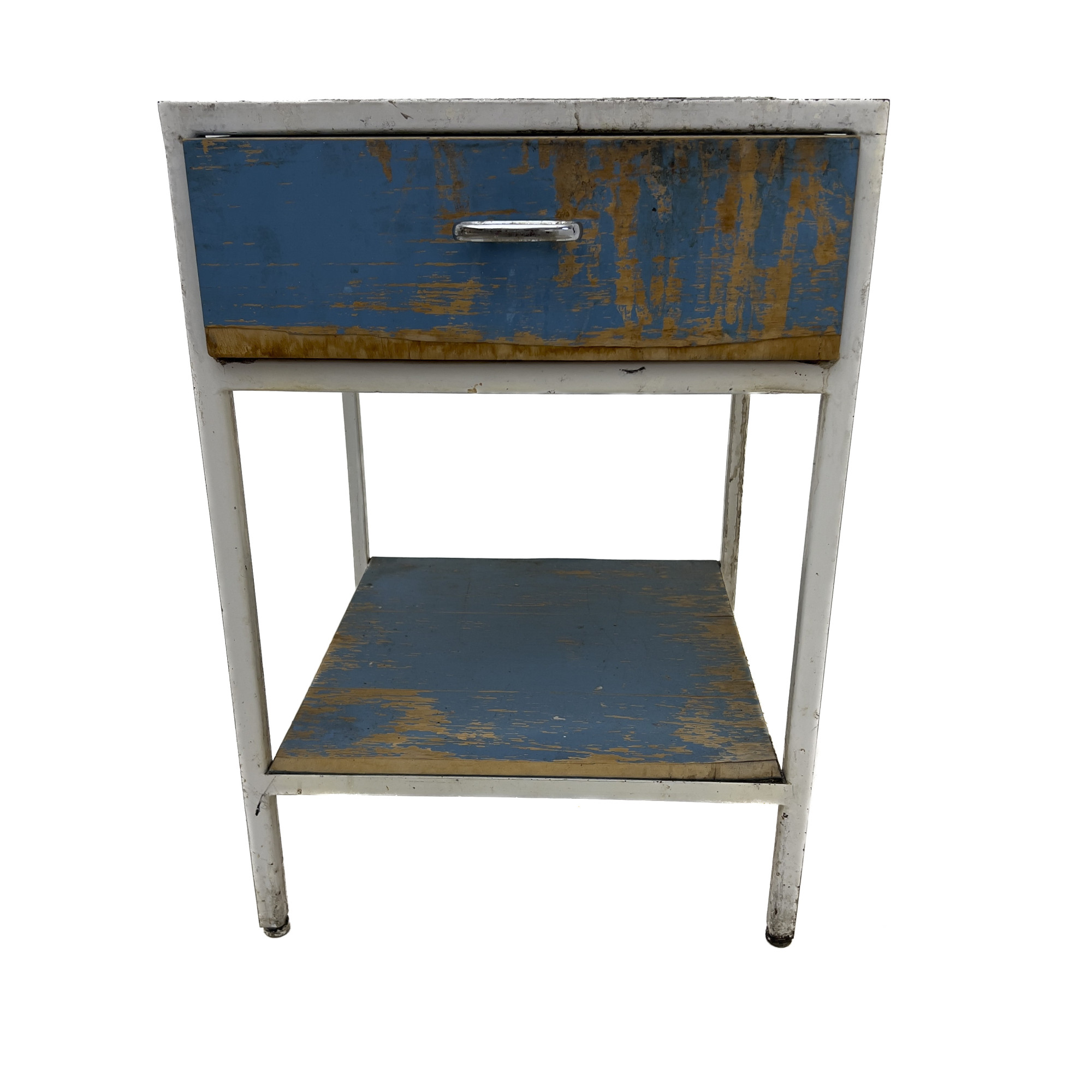
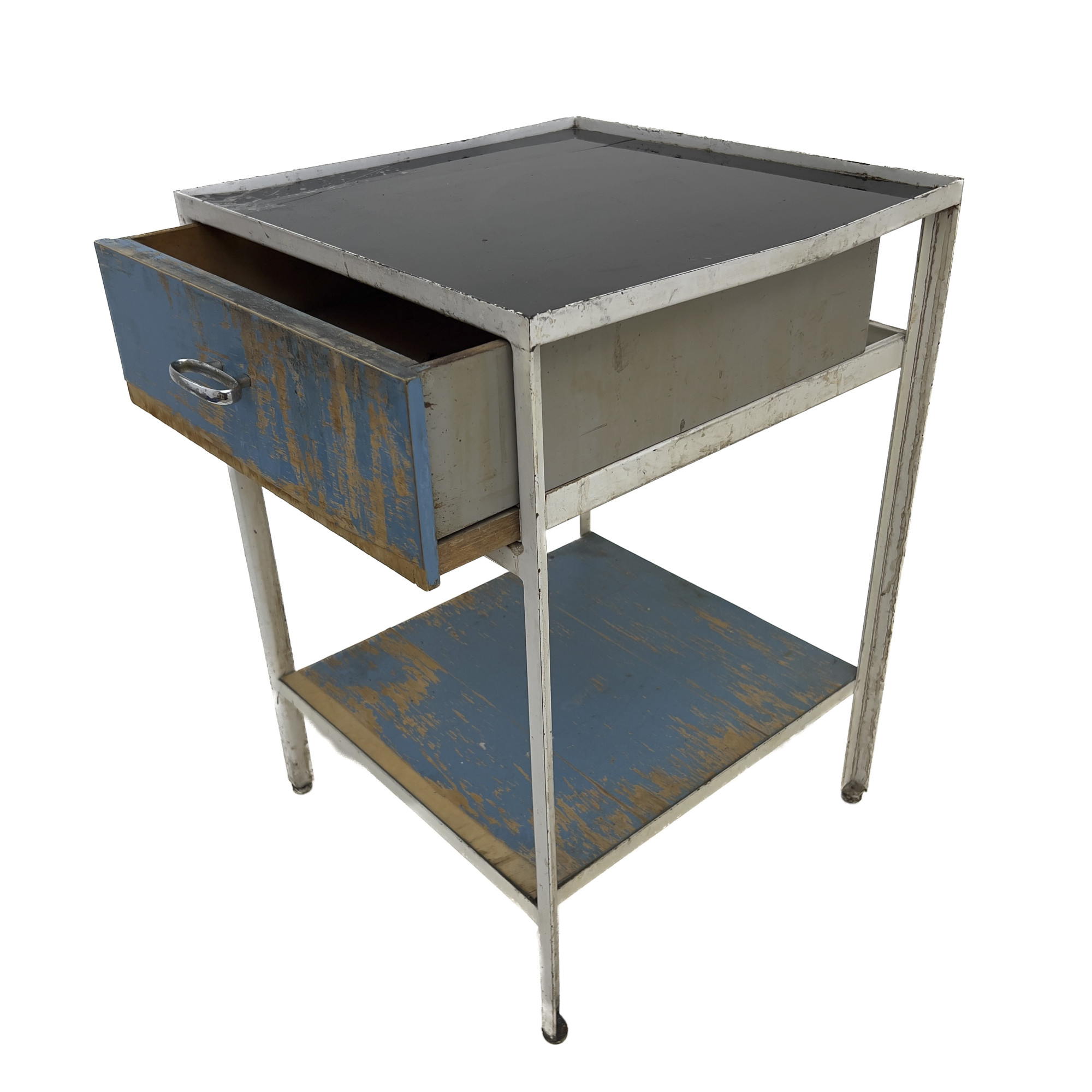
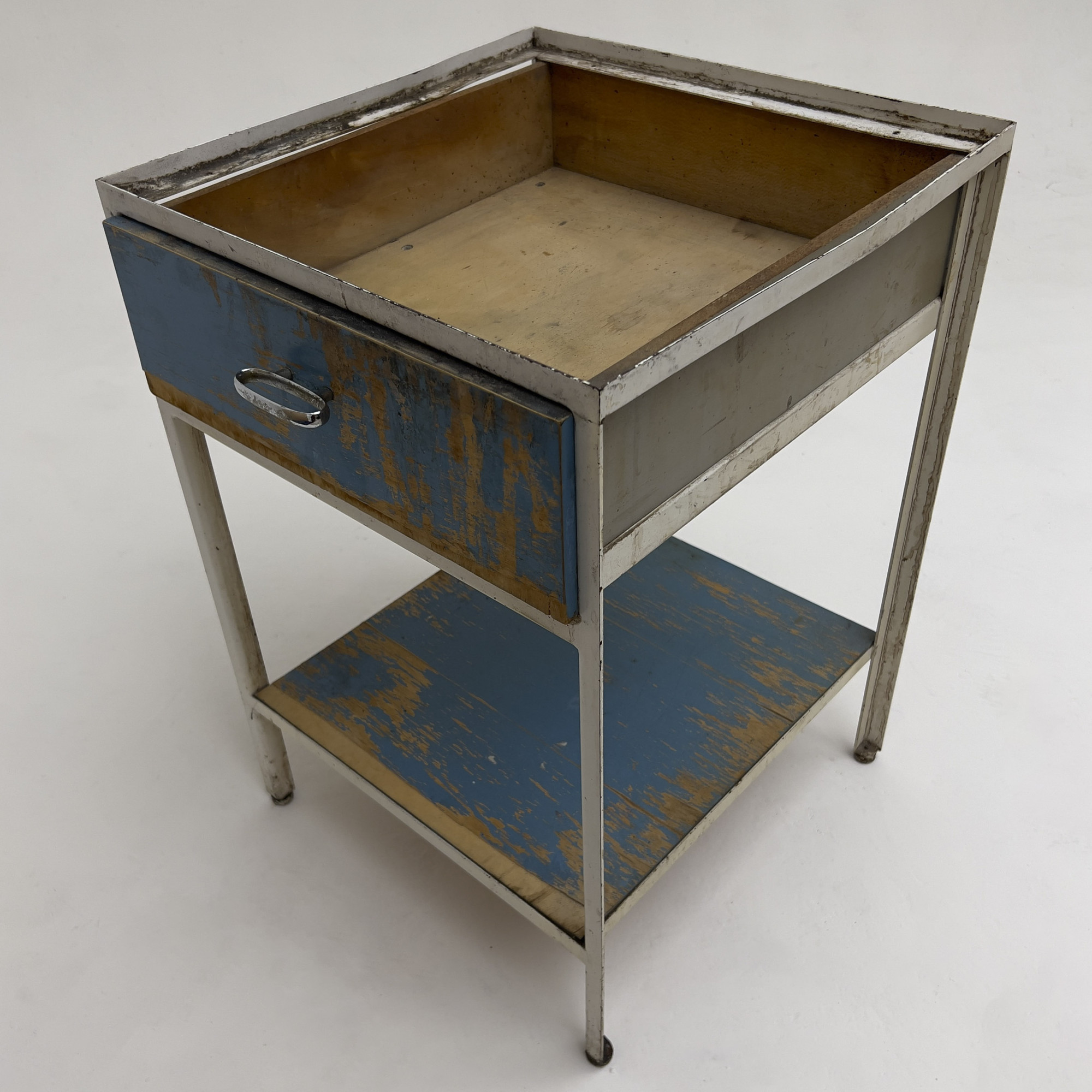
fair condition, significant losses throughout, without top
If you are interested in bidding, please contact us to request more photos, or make an appointment for in-person inspection. To ensure prompt assistance, we recommend reaching out at least 24 hours before the auction by calling 212-353-2277 or emailing us at admin@capsuleauctions.com.
About condition report
Condition reports are based on visual inspection by the Capsule team under typical office lighting. Unless otherwise noted, items are not examined under UV light in advance of sale. We do not guarantee the content of written or verbal condition reports. Remember, all lots are previously owned and all sales are final. The absence of a condition report does not imply that there are no condition issues with the lot.
Art has not been examined out of the frame unless otherwise stated. Frames, lampshades, or items described as “supplementary” are not considered integral to the value of the lot and are excluded from condition assessments. This includes any mat, mounting, glazing, hanging apparatus, case, box, or stand. Timepiece movements, lighting elements and items with mechanical or electrical components have not been thoroughly tested and are not covered under warranty by Capsule.
George Nelson
American1908-1986
George Nelson was an influential American designer and architect whose work had a significant impact on the fields of industrial design and interior design during the mid-20th century.
George Nelson is perhaps best known for his iconic furniture designs. He created a range of timeless pieces, including the Coconut Chair, Marshmallow Sofa, and the Ball Clock, which have become classic examples of mid-century modern design. These designs are celebrated for their clean lines, innovative use of materials, and functional simplicity.
Nelson played a vital role in introducing and popularizing the modernist design movement in the United States. His designs often reflected the principles of modernism, emphasizing functionality, minimalism, and the use of novel materials, such as fiberglass and steel. As the design director of Herman Miller, George Nelson played a pivotal role in nurturing and collaborating with other notable designers and architects, such as Charles and Ray Eames and Isamu Noguchi.
He designed several notable buildings and interiors, including the renowned IBM Pavilion for the 1964 New York World's Fair.